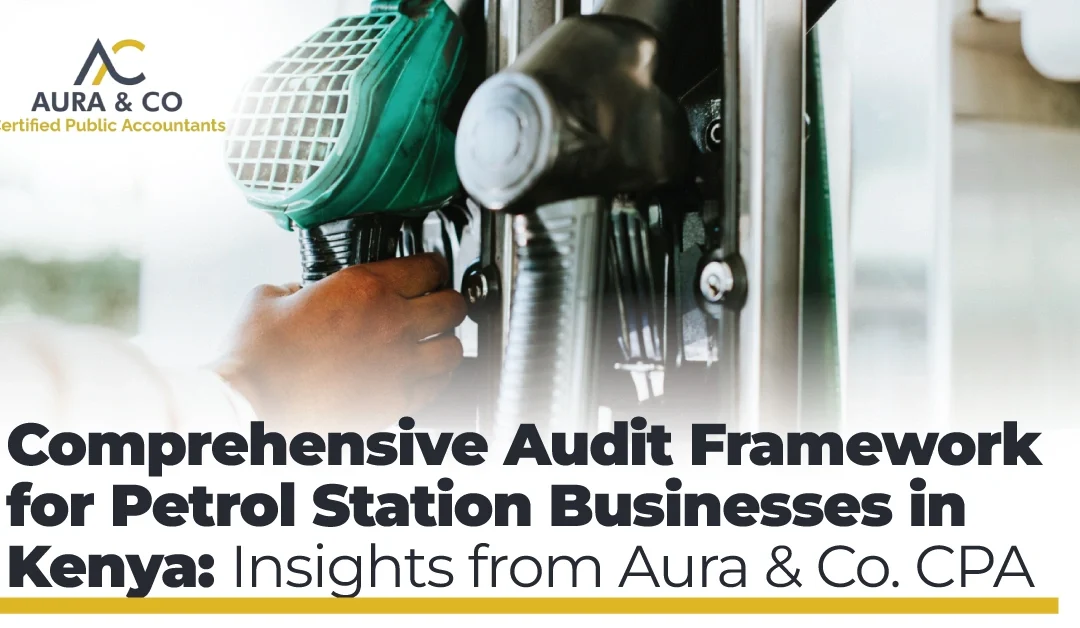
Petrol stations in Kenya are complex, high-risk, cash-intensive operations. With multiple revenue streams, high-value inventory, daily fuel movements, and extensive staff interaction, these businesses face significant exposure to financial leakages, procurement gaps, and operational inefficiencies.
Our team offers specialized audit expertise tailored for petrol stations—going beyond compliance to uncover hidden risks, streamline operations, and safeguard profitability.
1. Understanding Petrol Station Operations
A high-quality audit begins with a clear understanding of how a petrol station functions. We map the entire operational workflow to identify where risks, inefficiencies, or leakages may occur.
Key Operational Areas We Review
-
Fuel operations: Pump activity, tanker deliveries, loyalty programs, and multi-branch reporting
-
Non-fuel revenue streams: Mini-mart sales, lubricants, car wash services, and related products
-
Inventory lifecycle: Receipt → Storage → Dispensing → Returns → Reconciliation
-
Staff roles and duties: Managers, cashiers, pump attendants, logistics staff
-
Pricing & approval controls: Fuel price changes, promotions, and non-fuel mark-ups
A detailed operational map guides precise and risk-focused audit procedures.
2. Identifying High-Risk Areas
Petrol stations experience significant revenue and inventory losses where controls are weak. Our audits focus on high-exposure points such as:
-
Fuel shrinkage: Unmetered dispensing, siphoning, and misreported sales
-
Cash & POS handling: Skimming, delayed deposits, and unauthorized overrides
-
Non-fuel inventory losses: Theft, misappropriation, or expired stock
-
Procurement fraud: Ghost deliveries, duplicate invoices, or inflated pricing
-
Operational inefficiency: Weak reconciliations and poor staff management
Every point where cash, fuel, or inventory moves is thoroughly examined.
3. Sales, Dispensing & Revenue Audit
Sales form the financial core of a petrol station. Our audit team performs detailed transactional checks to ensure accuracy and completeness.
Key Procedures
-
Fuel sales reconciliation: Pump readings vs POS vs tank levels
-
Mini-mart and service revenue verification: Voids, discounts, price overrides
-
Loyalty program checks: Accurate reward allocation and fraud prevention
-
Corporate & insurance client validation: Confirming dispensed fuel vs billed amounts
Red flags include high-value voids, missing deposits, unusual shift patterns, and frequent manual overrides.
4. Inventory & Asset Management
Fuel and non-fuel inventory require strict monitoring because of their value and mobility.
We conduct:
-
Physical tank inspections and reconciliations
-
High-risk inventory reviews (lubricants, consumables, controlled items)
-
Stock movement and rotation analysis
-
System-to-physical stock reconciliations
These controls protect margins and prevent financial and reputational damage.
5. Procurement & Supplier Management
Procurement fraud is often subtle yet costly. Our audits evaluate:
-
Contract terms, supplier pricing, and delivery records
-
Invoice accuracy vs market rates
-
Segregation of duties for ordering, receiving, and paying
-
Payments to unauthorized or non-existent suppliers
Stronger procurement controls reduce cost leakages and improve vendor accountability.
6. Cash, POS & Bank Reconciliation
Given their cash-intensive nature, petrol stations require strict financial discipline. We assess:
-
Daily reconciliation of POS, cash deposits, and mobile payments
-
Timeliness and completeness of banking
-
Petty cash usage and approval
-
Any signs of unrecorded revenue or cash skimming
This ensures accurate financial reporting and reduces fraud risk.
7. Payroll & Staff Controls
Staff-related issues contribute significantly to losses. We review:
-
Payroll legitimacy (no ghost workers)
-
Attendance vs shift activity vs sales
-
Overtime, incentives, and allowances
-
User access rights for POS and inventory systems
We identify behavioural or transactional patterns that signal possible fraud.
8. Strengthening Internal Controls
Following the audit, we provide practical and sustainable recommendations, including:
-
Integrating fuel management systems with POS and ERP
-
Restricting access to high-value fuel and inventory
-
Enforcing daily reconciliations and exception reporting
-
Strengthening pricing approval workflows
-
Implementing vendor vetting processes
-
Training staff on compliance and operational efficiency
These controls keep the petrol station transparent, profitable, and audit-ready.
9. Leveraging Technology & Automation
Modern petrol stations benefit significantly from automated systems. We help deploy technology that:
-
Monitors tank levels and dispensing in real-time
-
Integrates POS, mini-mart, and mobile money platforms
-
Provides multi-branch dashboards for consolidated oversight
-
Generates automated alerts for anomalies and compliance breaches
Automation reduces human error, curbs fraud, and enables faster, more accurate audits.
Read also about How to Audit a Pharmacy Business in Kenya
Why Our Petrol Station Audits Stand Out
We combine deep local experience with international audit standards to deliver audits that:
-
Identify and reduce critical risks
-
Improve profitability through stronger controls
-
Provide clear, actionable recommendations
-
Support owners with strategic decision-making
Protect your investment, strengthen your systems, and enhance transparency across your petrol station business.
Contact us today on mail.